Beyond the Firewall: How MSSPs are Revolutionizing Cybersecurity Governance for Australian SMBs (and Why "Proof Not Promises" Matters)

The Australian cyber landscape is a dynamic and often perilous environment, where small to medium-sized businesses (SMBs) frequently find themselves in the crosshairs of sophisticated cyber threats. Data breaches, insidious ransomware attacks, and meticulously crafted phishing campaigns are no longer exclusive concerns for large enterprises; they represent a pervasive and immediate danger to the operational continuity and financial stability of every Australian business. The escalating complexity of these threats, coupled with a critical shortage of in-house cybersecurity talent and often constrained budgets, presents an almost insurmountable challenge for SMBs striving to maintain robust security postures. This raises a fundamental question: how can these vital economic contributors not only survive but also flourish in such a hostile digital ecosystem without incurring the prohibitive costs of building a full internal security team? The answer increasingly lies in the strategic adoption of Managed Security Service Providers (MSSPs), which are fundamentally reshaping the cybersecurity paradigm for Australian SMBs. This article will meticulously explore how MSSPs offer a pragmatic, governance-enhancing solution, enabling SMBs to leverage elite cybersecurity capabilities without the burdensome overheads associated with establishing and maintaining an internal Security Operations Center (SOC), ultimately empowering them to achieve a demonstrably stronger security posture—all grounded in a philosophy of tangible results, not merely abstract assurances.
The Australian SMB Cybersecurity Conundrum: Why Traditional Approaches Fail
Australian SMBs often find themselves in a precarious position within the national cyber landscape, frequently perceived as "soft targets" by malicious actors due to their typically limited resources and less sophisticated defensive capabilities. This perception is not unfounded, as many SMBs operate with legacy systems, minimal dedicated security personnel, and a reactive rather than proactive approach to cyber defence. The consequence of this vulnerability is a disproportionate targeting by cybercriminals who exploit these perceived weaknesses for financial gain or data exfiltration. The threat landscape impacting Australian SMBs is escalating with alarming rapidity, encompassing a diverse array of attack vectors. Specific threats relevant to the Australian context include sophisticated ATO (Australian Taxation Office) scams designed to harvest sensitive financial information, pervasive ransomware campaigns that encrypt critical business data and demand payment, and widespread data breaches that erode customer trust and incur significant regulatory penalties under the Notifiable Data Breaches (NDB) scheme.
A critical exacerbating factor is the profound cybersecurity talent gap prevalent across Australia, which makes it exceedingly difficult and prohibitively expensive for SMBs to recruit, train, and retain qualified in-house cybersecurity professionals. Even if an SMB could attract such talent, the budgetary constraints faced by most small and medium enterprises render the cost of establishing and maintaining a fully operational internal Security Operations Center (SOC)—complete with advanced tools, highly skilled personnel, and 24/7 monitoring capabilities—financially unfeasible. Furthermore, Australian SMBs are increasingly grappling with a growing burden of regulatory compliance, including obligations under the Privacy Act 1988 and the NDB scheme, which many struggle to meet effectively without expert guidance. These cumulative pressures underscore why traditional, in-house cybersecurity approaches are frequently inadequate for the modern Australian SMB.
Understanding the MSSP Model: What They Offer Australian SMBs
An MSSP, or Managed Security Service Provider, fundamentally differs from a traditional IT managed service provider (MSP) by adopting a security-first mentality, focusing exclusively on safeguarding an organisation's digital assets and infrastructure against evolving cyber threats. While MSPs typically manage general IT operations, an MSSP specializes in proactive threat detection, incident response, and continuous security monitoring, acting as an extension of an organisation's security team. This distinction is crucial for Australian SMBs seeking dedicated and expert cybersecurity support without the overhead of building an internal security department. MSSPs deliver a comprehensive suite of specialized services designed to provide enterprise-grade security capabilities that would otherwise be out of reach for most SMBs.
Core services typically encompass 24/7/365 monitoring and alerting, often leveraging advanced Security Information and Event Management (SIEM) systems and offering Security Operations Center (SOC) as a Service, ensuring constant vigilance over an SMB's network. They also provide robust Threat Detection & Response (MDR) capabilities, which include proactive threat hunting, rapid incident containment, and expert guidance on remediation strategies to minimise damage and downtime. Vulnerability management is another critical offering, involving regular vulnerability scanning, penetration testing to identify exploitable weaknesses, and assistance with patch management to address known vulnerabilities promptly. Crucially for Australian businesses, MSSPs provide extensive Compliance & Governance Support, aiding in navigation of the Notifiable Data Breaches (NDB) scheme, offering guidance on frameworks like ISO 27001, and helping to implement controls aligned with the Australian Cyber Security Centre's (ACSC) Essential Eight.
Beyond technical protections, MSSPs also frequently offer vital Security Awareness Training, educating employees on best practices and identifying common attack vectors, thereby strengthening the human firewall which is often the weakest link in any security chain. With the increasing adoption of cloud platforms, MSSPs also provide specialised Cloud Security services, ensuring the protection of data and applications hosted in public, private, and hybrid cloud environments. The inherent cost-effectiveness of the MSSP model is a significant advantage, as it delivers enterprise-grade security functionalities through a predictable, subscription-based cost structure, effectively converting high capital expenditures into manageable operational expenses. This approach grants SMBs immediate access to a pool of highly skilled security analysts, cutting-edge threat intelligence, and sophisticated security tools that they could never afford to procure or maintain individually, dramatically enhancing their overall security posture.
The Transformative Impact on SMB Cybersecurity Governance
Engaging with a Managed Security Service Provider profoundly transforms an SMB's cybersecurity governance, shifting it from a reactive, ad-hoc approach to a proactive, structured, and continuously evolving framework. This transformation begins with significantly enhanced risk management capabilities, as MSSPs implement robust processes for the proactive identification and mitigation of potential cyber risks across the entire digital footprint. They provide unparalleled visibility into an organisation's attack surface, employing advanced tools and techniques to map out vulnerabilities and potential entry points that might otherwise remain undetected. Furthermore, MSSPs integrate real-time threat intelligence into their monitoring and analysis, allowing SMBs to stay ahead of emerging threats and adjust their defences accordingly, moving beyond mere compliance to genuine risk reduction. This proactive stance is a cornerstone of effective governance, ensuring that security is interwoven into operational strategy rather than treated as an afterthought.
A critical benefit for Australian SMBs is the substantially improved compliance posture facilitated by MSSPs. The regulatory landscape in Australia is complex and ever-changing, with obligations such as the Notifiable Data Breaches (NDB) scheme, APRA CPS 234 for financial entities, and the broader requirements of the Privacy Act 1988 posing significant challenges. MSSPs possess the specialised knowledge and experience to help businesses navigate these intricate regulations, ensuring adherence to mandatory reporting requirements and privacy principles. They achieve this by assisting with the implementation of controls aligned with recognised frameworks like the Essential Eight, providing automated reporting functionalities, and maintaining comprehensive audit trails that can be crucial during compliance assessments. This expert guidance not only helps avoid costly penalties but also builds trust with customers and stakeholders by demonstrating a commitment to data protection.

Beyond compliance, MSSPs streamline and professionalise incident response, a critical component of any effective cybersecurity governance framework. They establish defined playbooks and procedures tailored to an SMB's specific environment, ensuring a rapid, coordinated, and effective response to any security incident. This structured approach leads to significantly faster detection and containment of threats, minimising the potential impact of breaches on business operations and reputation. With an MSSP, an SMB gains access to a dedicated team of experts who are available 24/7 to manage and resolve incidents, providing peace of mind that critical issues will be handled swiftly and competently. This capability transforms incident response from a chaotic scramble into a well-rehearsed operation, a testament to robust governance.
Leveraging AI and Automation for Proactive Defence in MSSP Services
The integration of Artificial Intelligence (AI) and automation stands as a cornerstone of modern MSSP offerings, fundamentally elevating the level of proactive defence available to Australian SMBs. AI-driven analytics engines are adept at processing vast quantities of security data from diverse sources, including network traffic, endpoint logs, and cloud environments, far exceeding human capacity for analysis. This capability allows for the rapid identification of subtle patterns and anomalies that indicate sophisticated threats, such as zero-day attacks or advanced persistent threats (APTs), which might otherwise bypass traditional, signature-based detection methods. The continuous learning capabilities of AI systems mean that defence mechanisms evolve in real-time, adapting to new attack techniques as they emerge, thereby providing a dynamic and resilient security posture.
Automation, powered by AI, transforms threat response from a manual, time-consuming process into an instantaneous and orchestrated defence. Security Orchestration, Automation, and Response (SOAR) platforms, often deployed by MSSPs, can automatically triage alerts, isolate compromised systems, block malicious IP addresses, and even initiate remediation workflows without human intervention. This speed of response is critical in minimising the dwell time of attackers within a network, significantly reducing the potential for data exfiltration or system damage. For Australian SMBs, this means that even when their internal teams are not actively monitoring, automated systems are working tirelessly in the background, providing an always-on layer of protection. These automated responses free up expert security analysts to focus on more complex threat hunting and strategic security enhancements, rather than being bogged down by repetitive tasks.
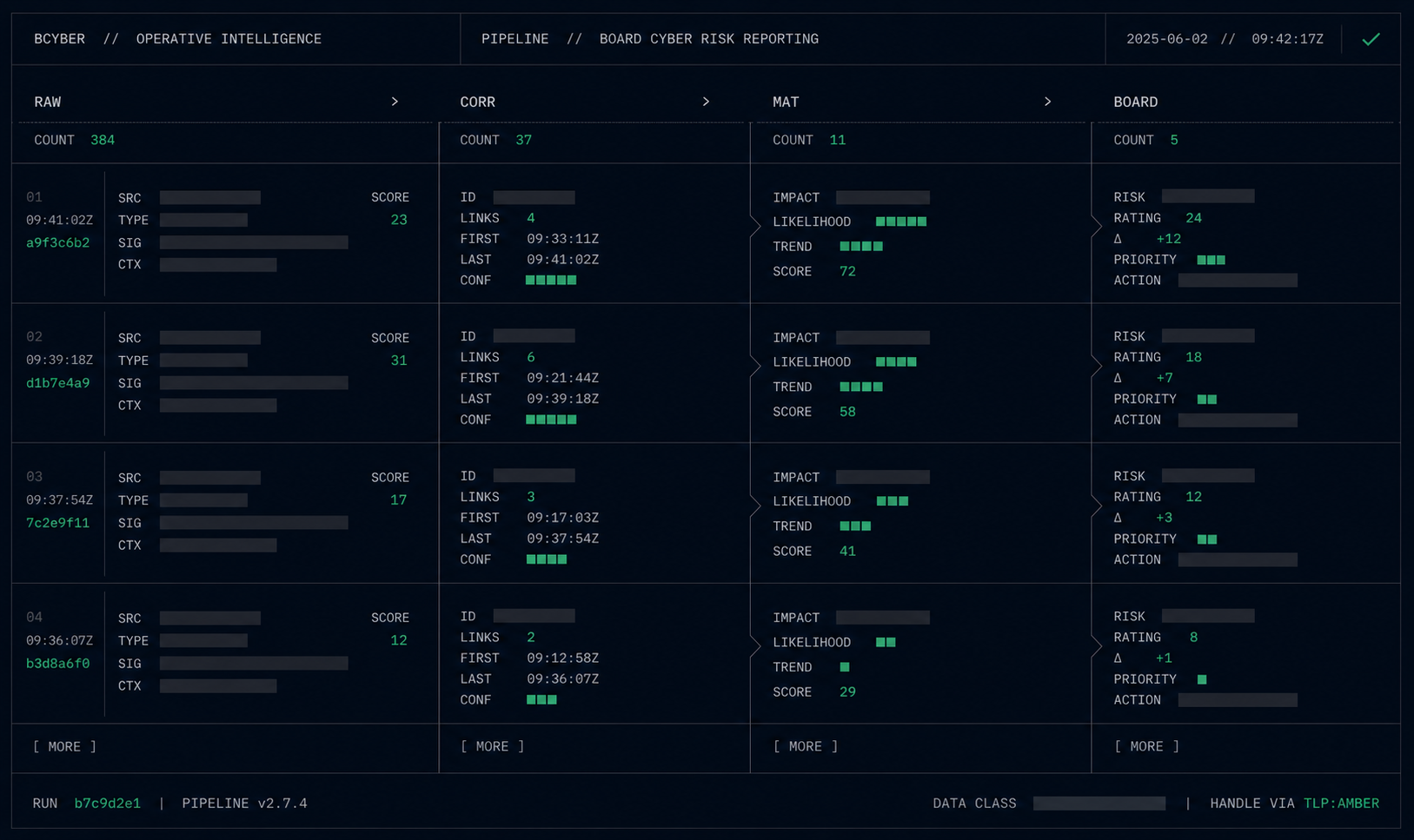
Furthermore, AI and automation contribute significantly to the "proof not promises" philosophy by providing concrete, measurable outcomes. Automated scanning tools can regularly assess compliance against frameworks like the Essential Eight, generating detailed reports that demonstrate adherence and highlight areas for improvement. AI-driven behavioural analytics can provide clear evidence of abnormal user or system activity, identifying potential insider threats or compromised accounts before they escalate into full-blown breaches. These technologies provide verifiable data on threat detection rates, incident response times, and vulnerability remediation progress, offering tangible evidence of improved security posture. For SMBs, this translates into clear reports and dashboards that validate the investment in cybersecurity, showcasing continuous improvement and robust protection in a transparent manner.
The "Proof Not Promises" Imperative: Demonstrating Value
In the realm of cybersecurity, where the stakes are inherently high, the philosophy of "proof not promises" is not merely a marketing slogan but a fundamental operational principle that underpins trust and demonstrates actual value. For Australian SMBs entrusting their security to an external provider, it is absolutely essential that the MSSP can tangibly demonstrate the efficacy of their services, rather than simply offering assurances of protection. This means moving beyond abstract claims of vigilance to providing concrete evidence of security enhancements and threat mitigation. An MSSP committed to this principle will offer transparent reporting that clearly articulates the security posture of the SMB, detailing vulnerabilities identified and remediated, threats detected and neutralised, and the overall improvement in compliance metrics.
MSSPs achieve this demonstrable value through several key mechanisms. Firstly, they provide comprehensive and regular security reports that go beyond simple uptime statistics. These reports often include detailed analyses of detected threats, categorised by severity and type, along with specific actions taken for containment and remediation. Furthermore, they present vulnerability assessment results, showing a clear reduction in exploitable weaknesses over time, often benchmarked against industry standards or Australian frameworks like the Essential Eight. These reports serve as a tangible record of continuous improvement and proactive defence, showcasing the return on investment in cybersecurity services.
Secondly, the "proof not promises" approach is evident in the MSSP's commitment to continuous improvement and adaptation. This involves providing evidence of how threat intelligence is integrated into their defence strategies, demonstrating the proactive blocking of emerging threats relevant to the Australian landscape. It also includes showcasing how their security controls are regularly updated and fine-tuned based on the latest threat intelligence and observed attack patterns. For example, an MSSP might provide logs showing a consistent reduction in phishing attempts reaching end-users due to improved email security filters, or a decrease in successful malware infections following enhanced endpoint detection and response (EDR) deployments. These verifiable outcomes build confidence and illustrate the dynamic nature of effective cybersecurity.
Finally, a truly valuable MSSP will offer clear metrics related to incident response, such as mean time to detect (MTTD) and mean time to respond (MTTR) to security incidents. By demonstrating a consistent reduction in these critical metrics, they provide undeniable proof of their efficiency and effectiveness in mitigating cyber threats. This data-driven approach allows SMBs to objectively assess the impact of the MSSP's services on their overall security resilience and operational continuity. The ability to present this kind of verifiable evidence transforms cybersecurity from an intangible cost into a strategic investment with measurable, positive outcomes, aligning perfectly with the BCyber philosophy of demonstrating value through practical application.

Navigating MSSP Selection: A Strategic Approach for SMBs
Selecting the right Managed Security Service Provider is a pivotal strategic decision for any Australian SMB, one that requires careful consideration beyond simply comparing service lists and pricing. A strategic approach focuses on aligning the MSSP's capabilities with the specific needs, risk profile, and compliance obligations of the business, ensuring a partnership that truly enhances security governance. The initial step involves a thorough assessment of the SMB's current cybersecurity posture, identifying critical assets, understanding existing vulnerabilities, and clearly defining the desired security outcomes. This internal clarity forms the foundation for evaluating potential MSSP partners, enabling the SMB to articulate its requirements precisely.
When evaluating MSSPs, Australian SMBs should prioritise providers who demonstrate a deep understanding of the local threat landscape and regulatory environment. This includes proven experience with the Notifiable Data Breaches (NDB) scheme, knowledge of the Australian Cyber Security Centre's (ACSC) Essential Eight mitigation strategies, and an appreciation for industry-specific regulations such as APRA CPS 234 where applicable. An MSSP's ability to provide concrete examples of how they have helped other Australian businesses meet these compliance requirements, rather than just stating they can, is a strong indicator of their practical expertise. Furthermore, inquire about their local presence and support capabilities, as timely communication and support are crucial during security incidents.
A critical aspect of due diligence is to scrutinise the MSSP's reporting and transparency mechanisms. Demand to see examples of the security reports they provide, assessing their clarity, detail, and relevance to your business's needs. Look for evidence of how they measure and demonstrate the "proof not promises" philosophy, such as metrics on threat detection rates, incident response times, vulnerability remediation progress, and compliance adherence. A reputable MSSP will be forthcoming with this information, offering tangible evidence of their performance and the value they deliver. Furthermore, assess their incident response plans and communication protocols, ensuring they align with your expectations for rapid and effective threat mitigation.
Consider the MSSP's technological stack and their approach to integrating AI and automation into their services. Understand how these advanced tools contribute to proactive threat hunting, rapid incident response, and continuous security posture improvement. Enquire about their security awareness training programs and whether they can be tailored to your organisation's culture and specific roles, as human factors remain a primary vector for cyberattacks. Finally, engage in thorough discussions regarding their service level agreements (SLAs), ensuring they clearly define responsibilities, response times, and escalation procedures, providing a clear framework for accountability and performance. This holistic evaluation will empower Australian SMBs to forge a strategic partnership that delivers demonstrable security value and robust governance.
Key Takeaways
The modern Australian cyber landscape necessitates a proactive and sophisticated approach to cybersecurity, which is often beyond the reach of SMBs acting independently. Managed Security Service Providers (MSSPs) offer a compelling and practical solution, democratising access to enterprise-grade security capabilities and expert knowledge without the prohibitive costs of an in-house security operations centre. Their comprehensive service offerings, from 24/7 monitoring and threat response to compliance support and security awareness training, fundamentally transform an SMB's security posture and governance framework.
The integration of AI and automation within MSSP services significantly enhances proactive defence, enabling rapid threat detection, automated response, and continuous adaptation to evolving attack techniques. This technological edge provides concrete, measurable outcomes, embodying the "proof not promises" philosophy by delivering verifiable data on security improvements and incident mitigation. For Australian SMBs, selecting the right MSSP involves a strategic assessment of their local expertise, transparent reporting capabilities, and commitment to demonstrating tangible value beyond mere assurances. Ultimately, partnering with a proficient MSSP empowers Australian SMBs to navigate the complex cyber environment securely, fostering resilience and operational continuity in an increasingly digital world.